

The Psychological Tactics of Casinos
Casinos are meticulously designed environments that leverage various psychological tactics to extend player engagement. One of the most effective strategies involves the use of colors and lighting. Designers often opt for warm colors, which evoke feelings of comfort, safety, and excitement, subtly encouraging players to feel at home. Strategic lighting placement makes certain games stand out, creating a visual allure that compels players to approach and engage, especially when they discover options like instant payid withdrawal casino australia , which enhance their experience. The combination of these elements fosters an inviting yet somewhat disorienting atmosphere, making it easier for players to lose track of time and continue playing.
Sound design is another critical aspect of the casino experience. The constant, familiar sounds of slot machines, coupled with the jubilant noises of wins, create an immersive auditory landscape that captivates players. This soundscape is not merely background noise; it is intricately designed to stimulate excitement and provoke emotional responses. These sounds release dopamine, a neurotransmitter associated with pleasure and reward, which can lead to a cycle of repeating behaviors as players chase that feeling of euphoria. The result is a sensory experience that envelops players, increasing the likelihood that they will remain at the gaming tables or machines for extended periods.
The absence of clocks and windows in casinos is a well-documented tactic aimed at obscuring the passage of time. By eliminating these time indicators, casinos create a timeless environment where players can easily lose track of hours spent gaming. This design choice reinforces a sense of escapism, allowing players to immerse themselves fully in the experience without the nagging reminder of the outside world. The psychological manipulation of sensory inputs, coupled with the strategic omission of time cues, plays a vital role in determining how long players stay engaged and how much they spend.
The Role of Game Design
Game design is a fundamental aspect of how casinos create engaging experiences that encourage prolonged play. Slot machines, for instance, are crafted with various themes, complexities, and interactive features that captivate players’ attention. Many games include progressive jackpots and bonus rounds, which not only enhance the excitement but also offer players a tangible goal to strive for. This potential for winning, even amid losses, keeps players returning for more, as they are drawn by the allure of the next big payout and the thrill of the game.
The pacing of gameplay is carefully calibrated to maintain player interest over time. Many casino games utilize a variable reinforcement schedule, delivering rewards intermittently. This unpredictability cultivates suspense and keeps players engaged, as they eagerly await their next win. The thrill of potentially hitting a jackpot or achieving a significant win becomes addictive, pulling players deeper into the gaming experience. This dynamic nature of casino games is designed to prolong sessions and increase the likelihood of continued play.

Moreover, many games incorporate social elements that enhance player interaction and engagement. Features such as multiplayer options, leaderboards, and social sharing increase the sense of community among players, making gaming a more interactive experience. This social aspect can serve as a powerful motivator for extended play, as individuals are driven not only by the desire to win but also by the enjoyment of competing or connecting with others. Ultimately, the multifaceted approach to game design significantly contributes to a casino’s overarching goal of maximizing player time and expenditure.
The Impact of Loyalty Programs
Loyalty programs are strategically designed to reward players for their continued engagement, creating incentives for them to extend their time at the casino. These programs typically offer points for every dollar spent, which can be redeemed for various perks, including free meals, hotel accommodations, or exclusive event access. By providing players with tangible rewards for their loyalty, casinos foster a sense of value and appreciation, reinforcing the desire to return frequently and play longer.
Tiered loyalty systems further enhance this dynamic by offering escalating rewards based on the player’s level of activity. Higher tiers provide increasingly attractive benefits that can only be accessed through consistent play, tapping into players’ psychological aversion to loss. Players may feel compelled to continue gaming to maintain their status and enjoy the perks associated with it. This strategic use of tiered loyalty programs effectively encourages longer gaming sessions and increased spending, as players seek to reach the next level of rewards.
Personalization is another key component of successful loyalty programs. Casinos often analyze player behavior and preferences to tailor promotions and bonuses, making them feel more relevant and appealing. This personalized approach can heighten players’ emotional connection to the casino and enhance their overall experience. By ensuring that players receive targeted offers that resonate with their interests, casinos can significantly increase engagement and spending, demonstrating the powerful impact of loyalty programs on player retention.
The Influence of Environment and Ambiance
The overall environment and ambiance of a casino are meticulously curated to create a thrilling experience that encourages extended play. From the layout of gaming areas to the choice of decor, every detail is carefully considered to enhance players’ enjoyment. Open spaces facilitate easy navigation, while the strategic placement of games invites exploration and discovery. This design not only enhances the gaming experience but also instills a sense of curiosity, prompting players to explore more and engage longer.
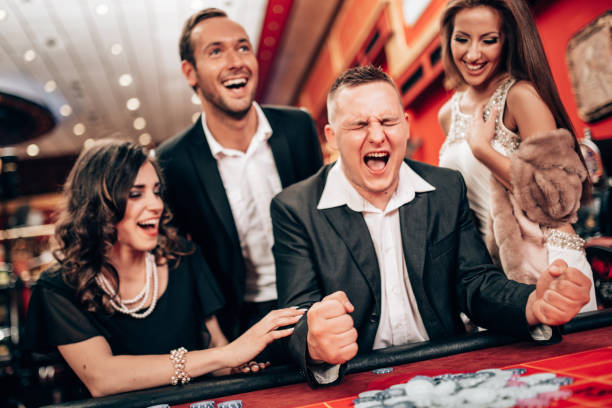
Comfort is another crucial factor in a casino’s design. Comfortable seating, ample amenities such as bars and restaurants, and well-designed social spaces encourage players to settle in and enjoy their time. By creating an inviting atmosphere that feels luxurious and enjoyable, casinos can keep players engaged with games while also providing a pleasant environment for social interaction. This combination of comfort and social opportunities further contributes to longer gaming sessions.
Interestingly, even the olfactory elements of a casino can influence player behavior. Research has shown that specific scents can trigger positive emotions and enhance mood, making the gaming experience more enjoyable. The careful selection of scents can create an inviting atmosphere that encourages players to stay longer and immerse themselves in the experience. By harnessing the power of environmental factors, casinos can effectively shape player behavior and extend playtime, showcasing the intricate relationship between ambiance and gaming engagement.
Understanding Casino Strategies: What to Look For
To navigate the world of casinos effectively, it is essential to recognize the strategies employed to encourage prolonged play. Observing the layout and flow of a casino can reveal how spaces are designed to maximize exposure to gaming options. Pathways are often directed toward popular games, subtly guiding players toward continued engagement. This intentional planning is a critical component of the casino’s design philosophy, as it aims to keep players immersed in the gaming experience.
Promotional events and tournaments are another strategy that casino operators use to create excitement and urgency. These events can draw crowds and enhance the overall atmosphere, further embedding the idea of urgency to participate. By staying informed about such promotions, players can make more informed decisions about when to engage and when to step back, allowing them to enjoy the experience without falling victim to the tactics that encourage extended time at the tables or machines.
Moreover, understanding loyalty programs can provide valuable insights into casino strategies. Players should be mindful of the terms and conditions associated with these programs, recognizing that while rewards may seem enticing, they are designed to encourage increased spending. By being aware of the subtle cues and strategies designed to keep players engaged, individuals can enjoy their casino experience while maintaining control over their gaming habits. Awareness empowers players to make choices that align with their personal gaming goals and limits, ensuring that their time in the casino remains enjoyable and fulfilling.